The UBC Faculty of Medicine offers a diverse array of training opportunities including cutting-edge research experiences in the biosciences, globally recognized population health education, quality health professional training, as well as several certificate or online training options.
Our province-wide programs provide opportunities for training in subjects ranging from the diversity of basic biomedical sciences to clinical and health services research.
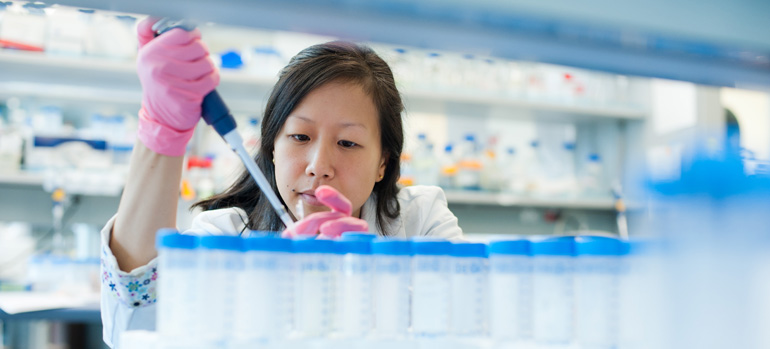

Find award and funding opportunities for current and prospective graduate students and postdoctoral fellows.
We offer valuable career advancement information for both prospective and current UBC Postdoctoral Fellows looking for a position at UBC or simply seeking the next step in your career.
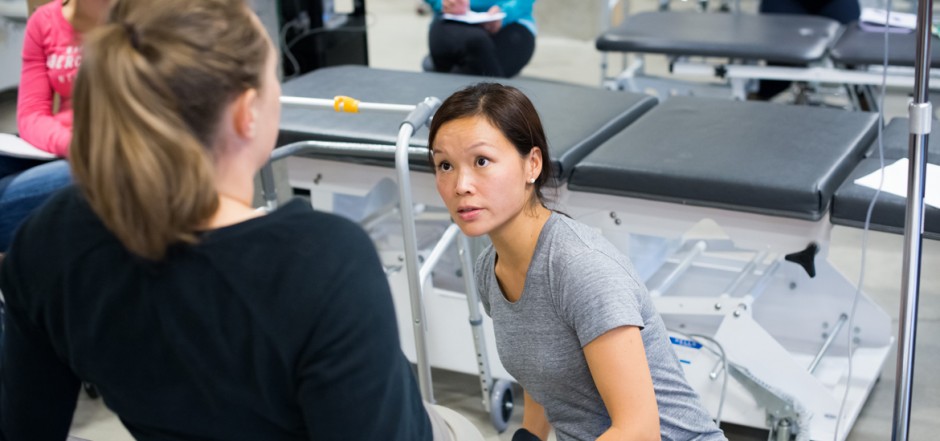
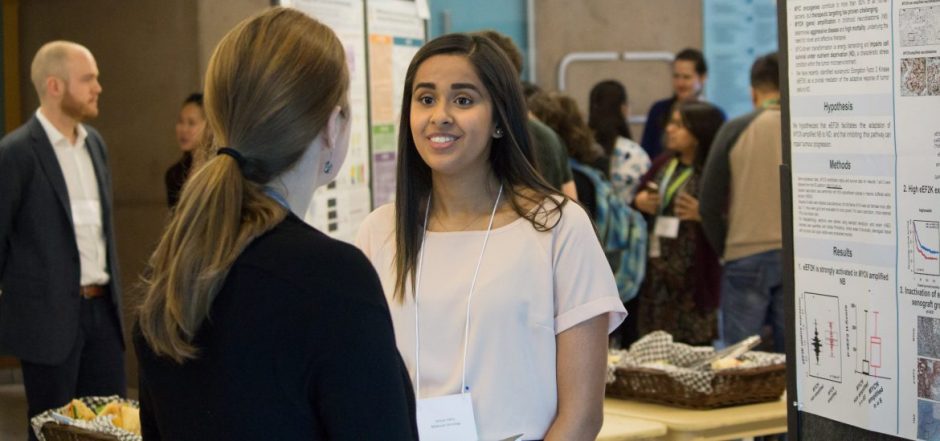
Professional development workshops and seminars are held throughout the year to prepare postdoctoral fellows for careers in academic and non-academic positions.
Featured News
Career Day: An opportunity for research graduate students and postdoctoral fellows in the Faculty of Medicine to connect and network with professionals working in a variety of different careers, June 17, 2022
On June 16th, students gathered in person and online to participate in the FoM career day. Panelists and speakers had a wide range of expertise. Dr. Tony Yang, Manon Ranger, Shelly Au, Jasmin Ma, and Adrian Lai, opened up about the personal choices and triggers that led them to pick their career paths. They […]
Support and Resources for students and staff affected by the war in Ukraine, March 14, 2022
The attacks launched on Ukraine by Russia last month continue to affect many of our university community members and their families and loved ones. UBC offers drop-in events and other resources for those who might have connections to the countries affected by this conflict. Drop-in event / until March 28: UBC students of any background […]
How to navigate conflict and complex relationships with your supervisors?, March 14, 2022
Do you want to learn how to build strong working relationships with your supervisor and committee members? Join this online event on April 6th! “Navigating an effective relationship with your supervisor.” You will learn: Practical strategies to manage potential conflict, such as establishing expectations, problem resolution skills, and holding confident conversations. How to become more […]
Thriving in Grad School: A Panel Discussion, October 21, 2021
Kick off Thrive Month with a panel discussion on graduate student mental health in the Faculty of Medicine.
March is Nutrition Month!, March 9, 2021
"Eating should be easy," intuitive eating, and other fresh ideas from UBC Nutrition experts!
Meet Our Students and Postdoctoral Fellows

Anesthesiology, Pharmacology, and Therapeutics
Tim Fung, Graduate Student Representative The Department of Anesthesiology, Pharmacology, and Therapeutics is a unique department as it is both academic and clinical and is comprised of three intertwined disciplines: anesthesiology, pharmacology, and therapeutics. The department was formed by merging anesthesiology with pharmacology and therapeutics in 2005 and is committed to an excellence in research […]

Medical Genetics
Meet Samantha Wilson, a PhD student in the Medical Genetics program and a member of the Healthy Starts research group. Samantha studies genetic and epigenetic profiling of placental insufficiency conditions.

Reproductive and Developmental Sciences
Meet Maggie Woo Kinshella, a PhD student in Reproductive and Developmental Sciences. Maggie Woo’s current research is taking a human-rights based approach to exploring the relationships between maternal diet and pregnancy hypertension in sub-Saharan Africa.